Physical Address
304 North Cardinal St.
Dorchester Center, MA 02124
Physical Address
304 North Cardinal St.
Dorchester Center, MA 02124
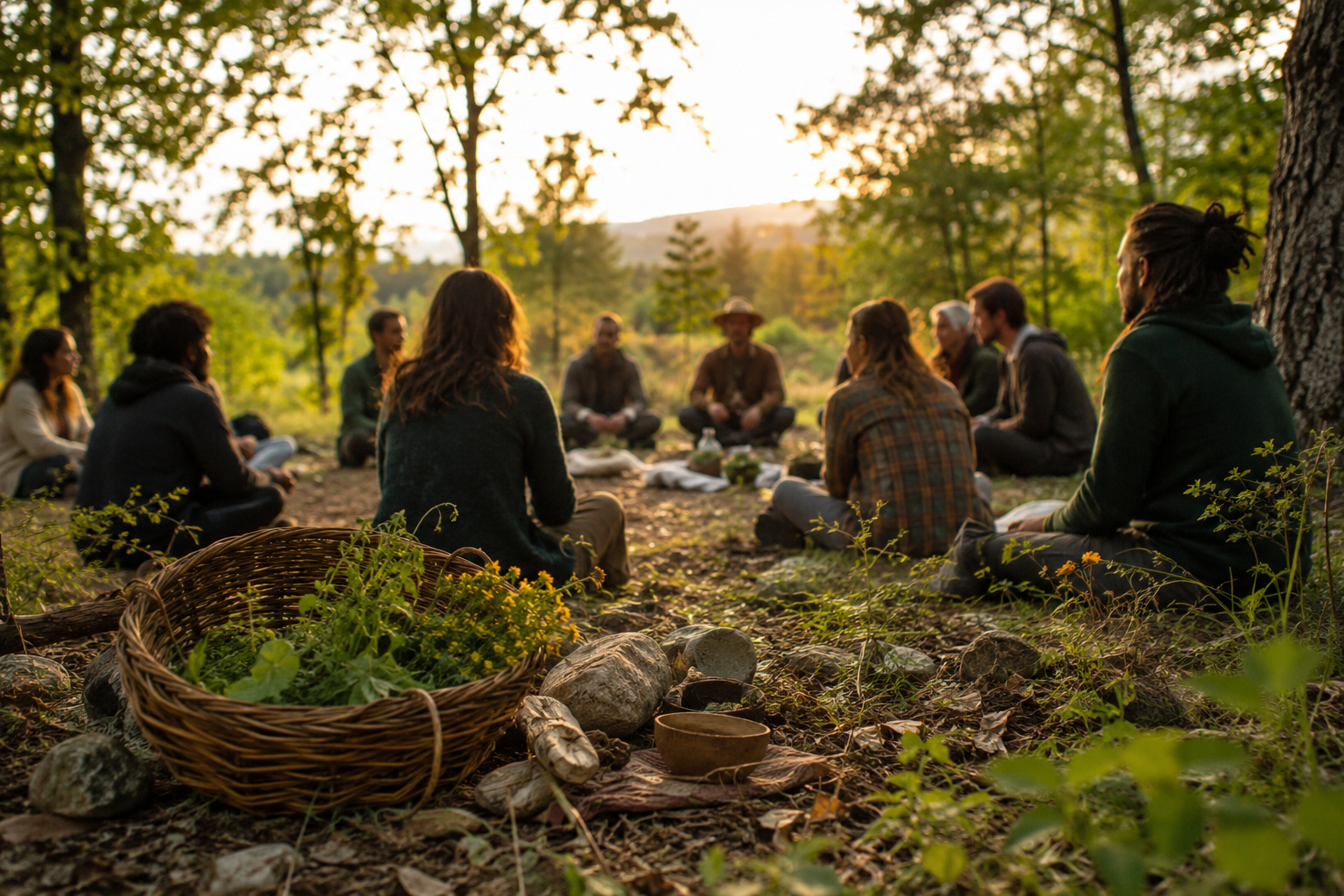
Workshops from Down to Earth Solidarity create spaces for reflection, dialogue, and communal transformation. They bring together biblical interpretation, public theology, anti-caste thought, critical pedagogy, ecological ethics, and feminist/liberationist perspectives to help communities move beyond hierarchy toward solidarity, shared dignity, and mutual flourishing.
Transformation does not happen through information alone.
Human beings are shaped by the communities, institutions, economies, media systems, religious practices, and public narratives they inhabit. Every society teaches people how to think, desire, judge, aspire, compete, fear, and belong.
The workshops and teaching offered here explore how communities can cultivate forms of formation rooted not in hierarchy and domination, but in solidarity, mutual flourishing, ecological responsibility, and shared dignity.
These workshops bring together:
Programs can be adapted for:
Formats include:
How are human beings socially formed into systems of superiority and exclusion? How might communities cultivate practices of empathy, intellectual humility, mutual responsibility, and shared flourishing instead?
This workshop explores:
Possible topics include:
Many contemporary cultures measure worth through success, visibility, wealth, productivity, and upward mobility. Religious communities often absorb these same assumptions.
This workshop examines:
It also explores alternative visions of flourishing grounded in:
Possible topics include:
The Epistle to the Romans is often treated primarily as a theological text about individual salvation. This workshop approaches Romans as a document of communal and institutional formation.
Particular attention is given to:
Possible topics include:
Ecological destruction and social fragmentation are deeply interconnected. Systems that exploit land, water, labor, and ecosystems often rely upon the same logic that treats vulnerable human beings as disposable.
This workshop explores theological and ethical approaches to:
Drawing especially from Romans 8, the workshop examines how creation’s groaning invites new forms of social and ecological imagination.
Possible topics include:
Biblical texts emerged within political worlds shaped by empire, hierarchy, conquest, spectacle, and systems of public honor.
This workshop explores how:
Possible topics include:
This workshop explores how caste and other systems of inherited inequality shape social perception, belonging, labor, gender, and communal life.
Drawing from anti-caste thought, theology, pedagogy, and biblical interpretation, the workshop asks how communities might cultivate forms of formation that resist inherited systems of superiority and exclusion.
Possible topics include:
My teaching approach is grounded in the conviction that education is never neutral.
Communities are always teaching people how to see the world and how to position themselves within it. Because of this, teaching must involve more than the transfer of information. It must also cultivate critical awareness, ethical responsibility, relational imagination, and practices of shared life.
My approach integrates:
The goal is not merely intellectual mastery, but transformation in how communities imagine human flourishing and shared responsibility.
Areas of specialization include:
These workshops are designed not simply to provide answers, but to create spaces for reflection, dialogue, institutional self-examination, and communal transformation.
At the center of this work is a shared question:
What kinds of people and communities are we becoming together?
If you are interested in organizing a workshop, lecture, course, retreat, or collaborative program, please get in touch.